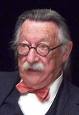
Creator of ELIZA, the pioneering natural language processing program that prompted his growing skepticism about artificial intelligence, Weizenbaum died March 5 in Berlin. He was 85.
Joseph Weizenbaum was born on January 8, 1923, in Berlin, Germany, to a Jewish family. He emigrated to the United States in 1936, fleeing Nazi persecution. He completed his undergraduate studies at Wayne State University in Detroit, graduating in 1948, after serving in the U.S. Army during World War II. He then worked for Wayne State as a research assistant before moving to the private sector, where he worked for General Electric helping to create one of the first computerized banking systems for the Bank of America.
He joined the faculty at MIT in 1963, where he worked in the computer science department and eventually became a full professor. He was best known for creating ELIZA, a natural language processing computer program developed between 1964–1966. ELIZA simulated conversation by using a script called DOCTOR, which mimicked a Rogerian psychotherapist. The program's ability to engage users emotionally shocked Weizenbaum and prompted his growing skepticism about AI. He was disturbed to find that many users, including his own secretary, developed genuine emotional attachments to the program, refusing to believe they weren't speaking with a real person.
This experience led him to write Computer Power and Human Reason: From Judgment to Calculation (1976), in which he argues that while computers can perform many tasks that humans do, there are certain human functions—such as empathy, wisdom, and love—that should never be delegated to machines. He also became a vocal critic of the military's use of computers and of the broader dehumanizing tendencies of technological society. He is sometimes called the "father of AI skepticism" for his pioneering critique of artificial intelligence. He had a reputation for challenging the ethical implications of technology at a time when few others did.
Weizenbaum returned to Germany in 1996, eventually settling in Berlin, where he remained active in public discourse on technology and society. He continued to speak publicly about AI, technology, and ethics well into his final years, often appearing on German television and radio. He received numerous honorary degrees and awards for his contributions to computer science and his ethical stance on technology.