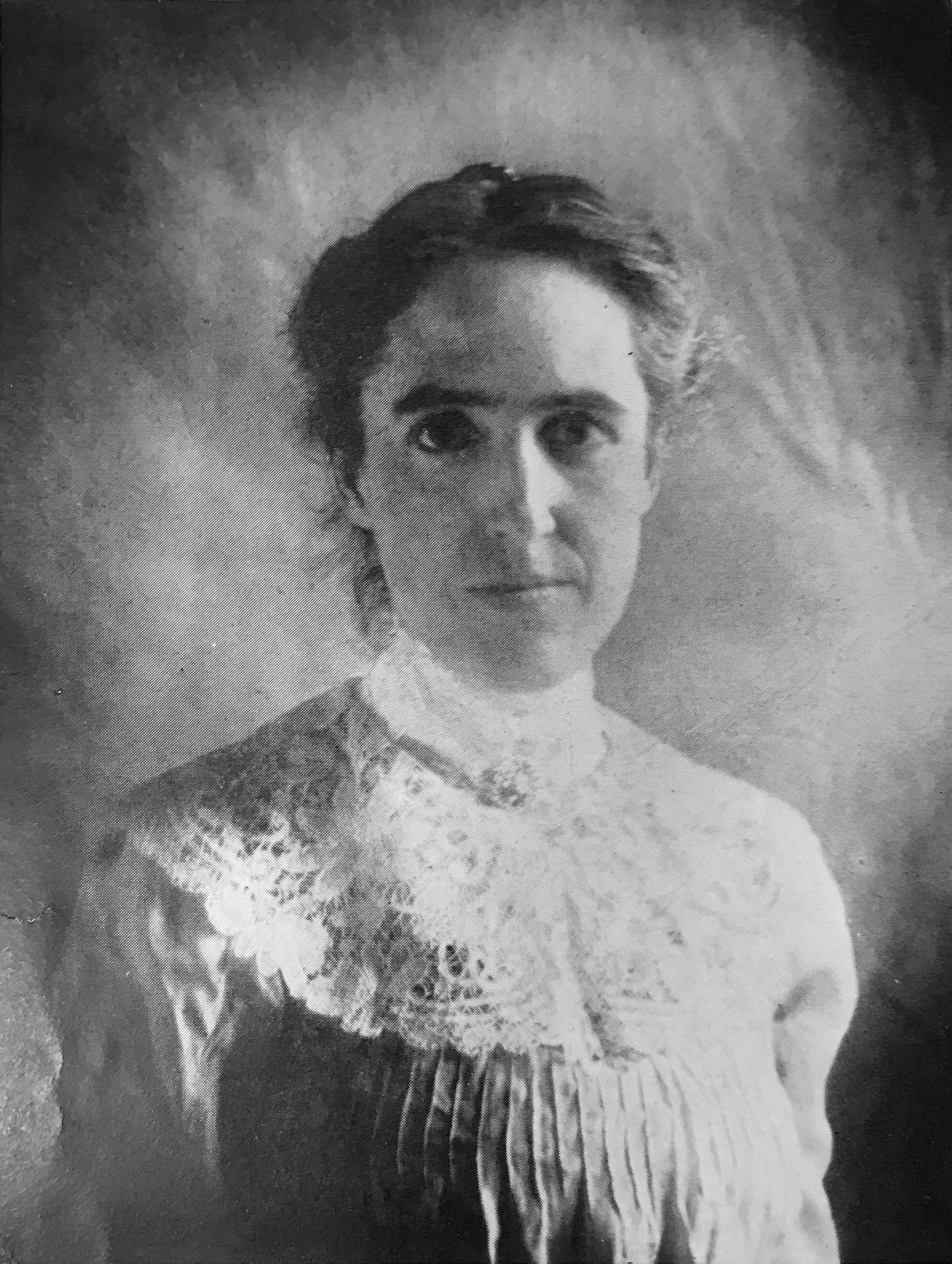
Her discovery of the period-luminosity relationship for Cepheid variable stars gave astronomers their first reliable tool for measuring distances to other galaxies, fundamentally shifting the understanding of the scale and nature of the universe. Leavitt made this breakthrough while working at the Harvard College Observatory as a human computer, where she measured photographic plates to catalog the positions and brightness of stars.
Before her discovery, astronomers could only measure stellar distances using parallax, a technique limited to several hundred light years. Leavitt's key insight was that all stars within the Small Magellanic Cloud must lie at roughly the same distance from Earth, meaning a relationship she observed between the periods of Cepheid variables and their apparent brightness must reflect a relationship in their absolute brightness. Once calibrated against a nearby star measured by parallax, this finding became a measuring tool of vastly greater reach.
The consequences of Leavitt's Law, as it came to be known, extended well beyond her own lifetime. Edwin Hubble used it to determine that several nebulae, including the Andromeda Nebula, were far too distant to be part of the Milky Way, settling astronomy's Great Debate over the size of the universe. Hubble later combined Leavitt's Law with galactic redshifts to establish that the universe was expanding. A graduate of Radcliffe College, Leavitt left a legacy whose reach extended far beyond the catalog work she had been assigned.